Samsung Electronics and LG Electronics both placed AI at the center of their displays at the Korea Electronics Show (KES 2026), which opened on October 13, 2026. Yet trying a refrigerator feature, seeing a home connected to a vehicle, and looking at data-center cooling equipment are different experiences, even at the same exhibition. This article separates those three scopes using the two companies' October 13 announcements.
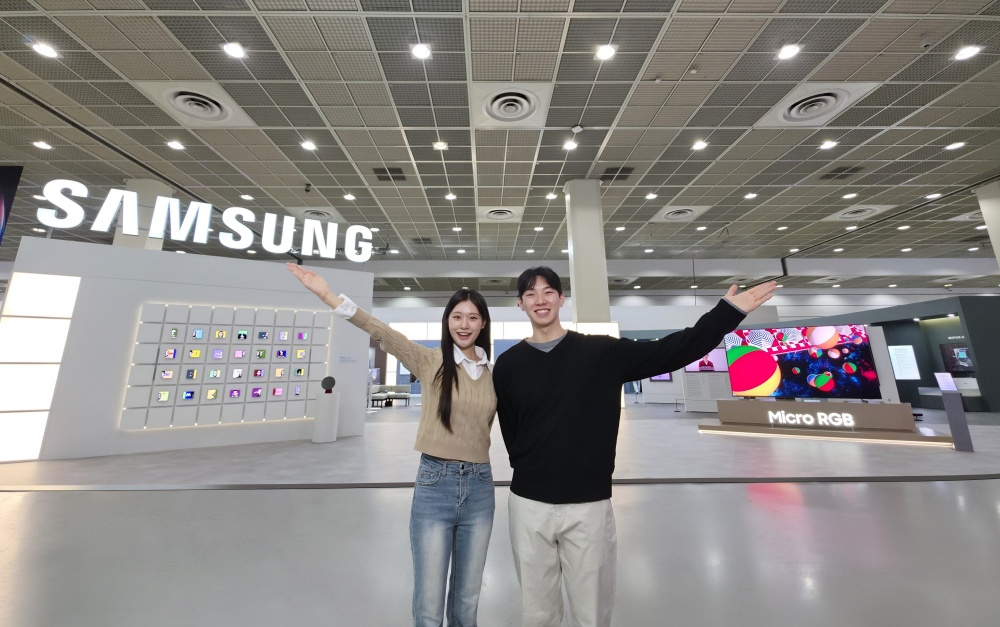
The Samsung KES exhibit announcement and LG KES exhibit announcement each include photographs alongside their descriptions. Those pages show the exhibition scenes, but a demonstrated feature should not be taken to work on every model or in every setting.
Samsung's AI starts with particular products
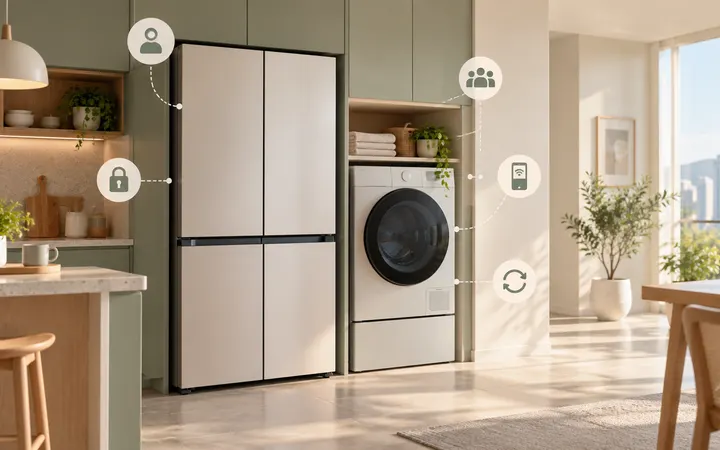
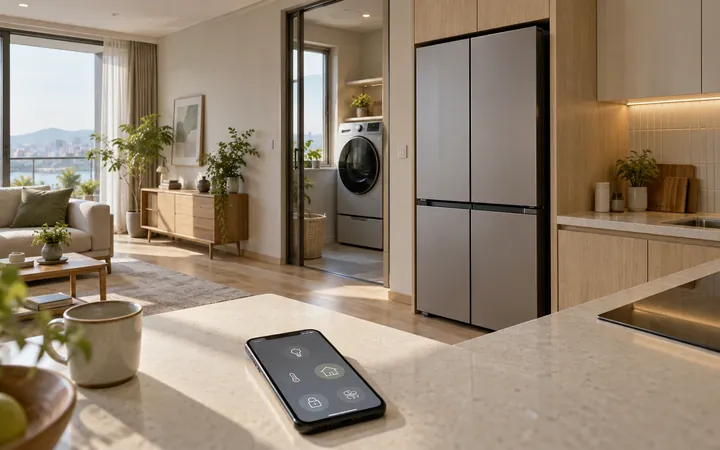
Samsung's announcement describes AI Food Manager, which uses the internal camera of the Bespoke AI Family Hub refrigerator to recognize and manage food; AI Custom+ on the Bespoke AI Combo washer-dryer; and Vision AI Companion, which uses conversation to provide TV-content information. Each feature begins with a refrigerator, washer-dryer or TV. Samsung's announcement also includes photographs of the exhibit and the AI Combo demonstration, allowing readers to identify the product that was shown.
 Samsung Newsroom
A feature name alone does not establish that another device of the same type already in your home can use it. The announcement describes what was exhibited, but it does not settle every supported-model, account, network or update requirement for a device you own. If you already have a device, compare its model number with the official specifications first. That check stands between seeing a feature at a show and deciding that you can use it now.
Read LG's home-to-vehicle connection as an exhibition scenario
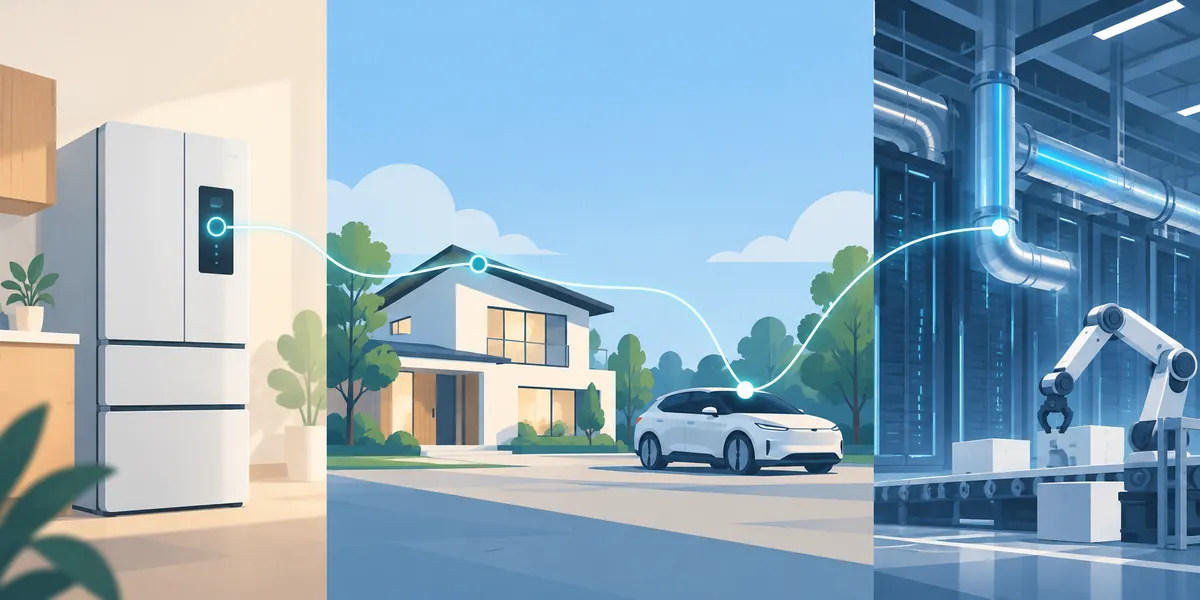
LG displayed Smart Cottage beside Spielraum, a vehicle-based space, and presented a scenario connecting the two through its ThinQ ON AI-home hub. Its examples include preheating an oven in the vehicle from the home, or checking the home and remotely controlling appliances from the vehicle. The display brought together a cottage, vehicle appliances and a hub, so the conditions to check differ from those for a feature on one refrigerator.
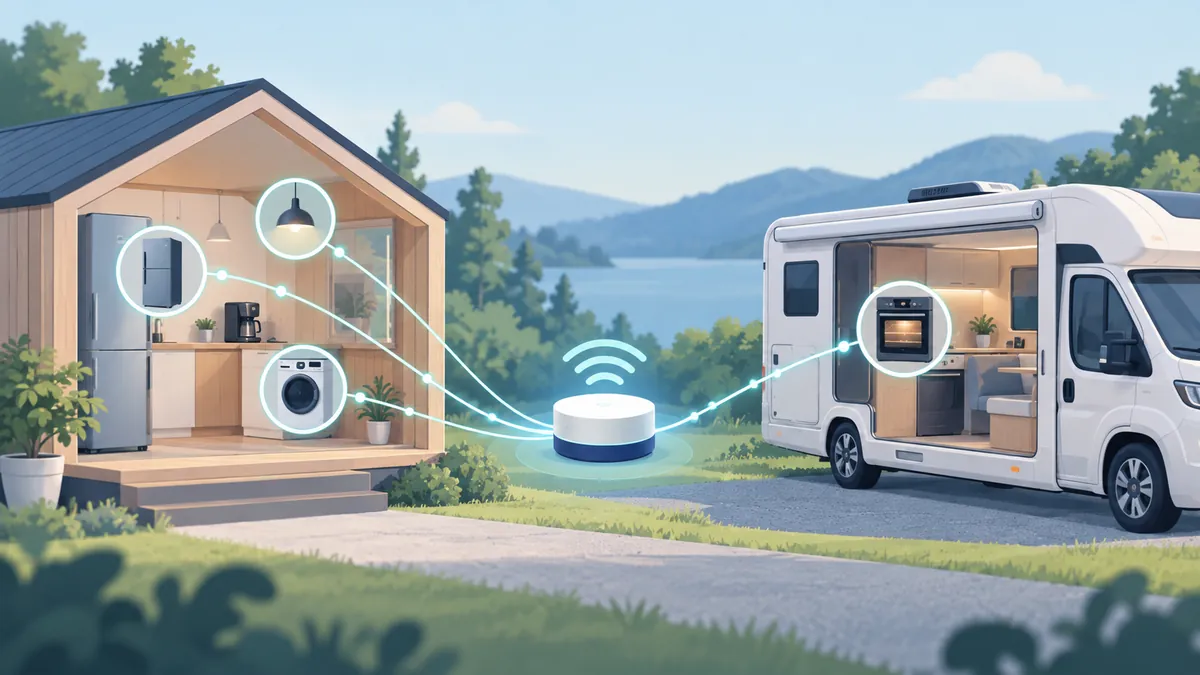
The exhibit shows actions made possible when devices and spaces are connected. The announcement alone does not establish that this exact setup is currently sold as a single consumer package or that the same controls work with any vehicle and home. Anyone interested should separately check supported devices, connection requirements and service availability in the product information. Photographs of the layout are on LG's original announcement page and should also be read in the context of a demonstration.
For data centers and factories, the user changes
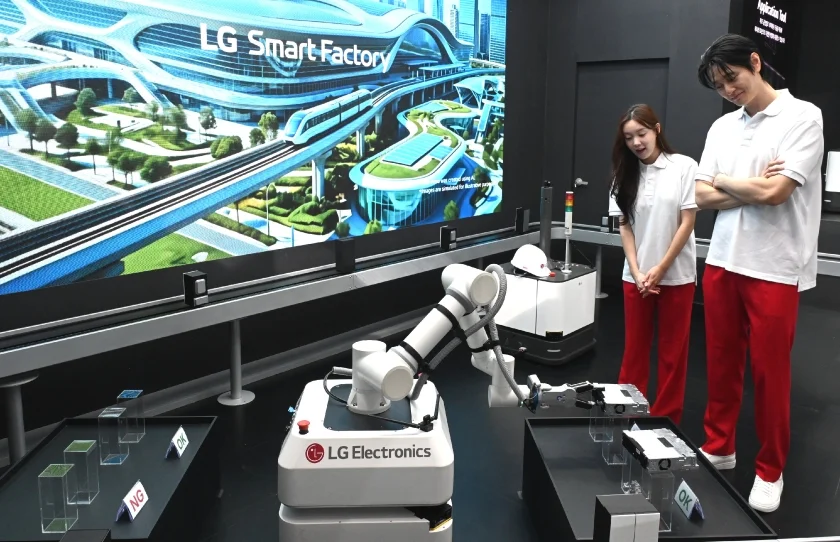
LG's industrial display presented a cooling chain for data centers: a chiller, a coolant distribution unit (CDU), and cold plates that absorb heat from chips. In the smart-factory area, three LG MoMa autonomous mobile collaborative robots demonstrated transporting materials and performing tasks. These systems address data centers and manufacturing sites, rather than individuals using appliances at home.
 LG Newsroom
Showing the cooling process does not, by itself, verify efficiency or installation costs. MoMa's behavior at the show is likewise no proof that every factory can deploy it in the same way. The industrial exhibits show the problems to which the technology is being applied, while an actual deployment decision needs the site's equipment and operating conditions.
Three questions to keep when reading an exhibit description
KES 2026 placed a widening range of applications together, rather than displaying just one product category. Samsung's appliance and TV features call for checking the relevant model; LG's home-to-vehicle connection calls for checking the components and services; industrial equipment calls for examining the deployment setting. In bigbread's view, asking who can use a feature and under what conditions is more useful than relying on the impression left by a demonstration.
Sources reviewed
The article was checked against the sources below. Image context and credits appear in each caption.