Samsung Health users no longer need to collect a full week's record over a month before entering Sleep Coaching. In a Sleep Coaching update announced on October 14, 2026, Samsung said coaching can begin with at least three days of sleep data from the most recent seven-to-14-day period.
That does not mean the new screen appears for everyone on the same day. Samsung says the feature is rolling out progressively from October and timing may vary by market, model and other conditions. If Samsung's Korean overview still shows the older seven-day requirement, distinguish the announcement from the version currently available in your app.
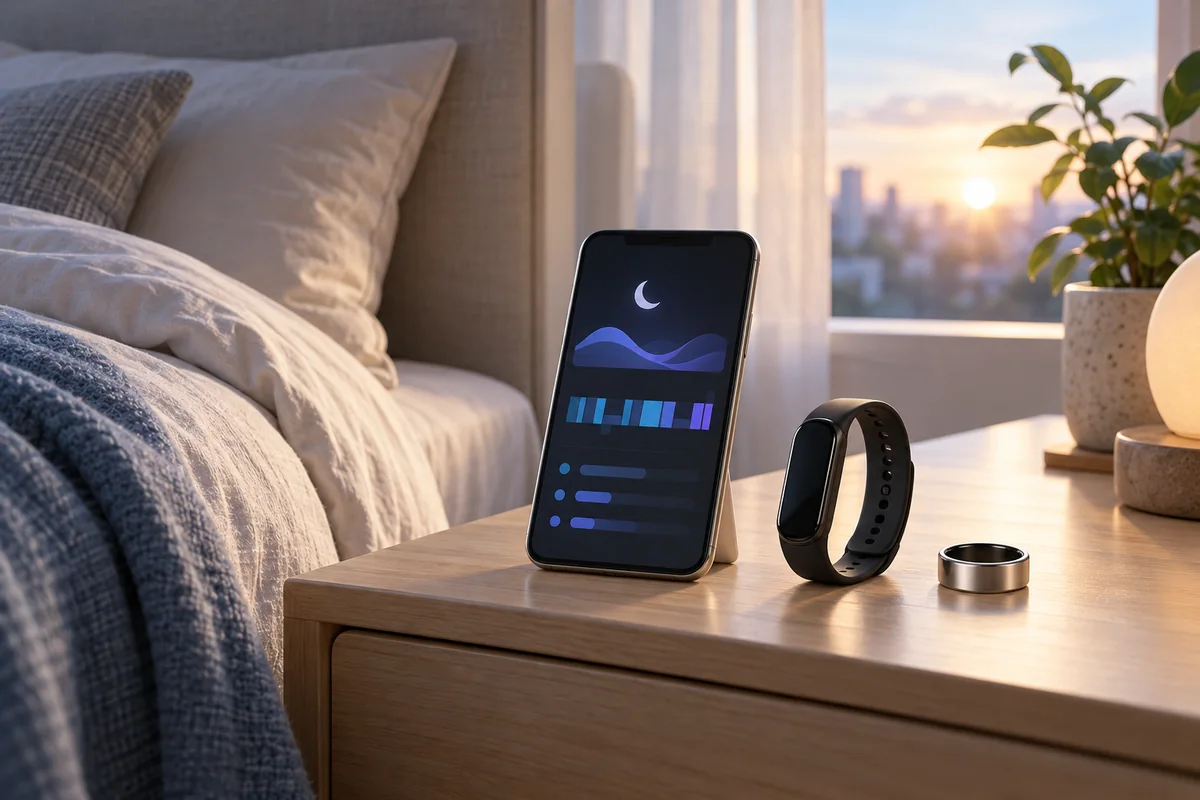
If you already own a Galaxy Watch4 or later, Galaxy Fit3, or Galaxy Ring, you can check the new requirement with that device. Check the app version, phone OS, connected wearable and recent sleep records. If you lack a supported device, choose between a light band with a screen and a screenless ring according to what you can keep on overnight.
Three days of data and a staged app rollout
The important detail is not three consecutive nights, but at least three days recorded within the latest seven-to-14-day period. Samsung compares this with the former requirement of seven days in a month. Completing three days does not produce a diagnosis; it lowers the entry threshold for the coaching program.
Setup includes questions about sleep regularity, interruptions, alcohol and caffeine intake, and subjective sleep satisfaction. The app combines those answers with sleep records to assign a Sleep Animal and build a four-to-eight-week program around the user's goal. Weekly guidance then adjusts as new records, satisfaction and lifestyle changes are added.
An older seven-day statement in Samsung Health's general overview does not by itself invalidate the announcement. The staged rollout or differences in market, model and app version may leave older guidance visible. Before deleting records or replacing a device, compare the four conditions below.
Four checks on your device
Even when every condition is met, the menu may not change immediately. Samsung notes that some features may arrive through future software updates. Keeping both app and wearable software current and checking the actual menu comes before an unnecessary purchase.
The boundary between three-day records and medical diagnosis
The new Sleep Balance graph brings five factors into one view: sleep time, regularity, time awake during the night, sleep satisfaction and Energy Score. Morning messages and weekly and final reports connect last night's record to a longer pattern. It is better treated as a way to spot recurring trends than as a grade for one night.
Energy Score requires health data collected by a Galaxy Watch or Galaxy Ring to be synchronized with Samsung Health. Samsung says the result is for personal reference and not for medical purposes. Coaching also remains general wellness guidance. Persistent snoring, suspected breathing pauses or severe daytime sleepiness should be discussed with a medical professional rather than diagnosed from a score.
Fit3 and Ring: display and wearing style
Galaxy Fit3 and Galaxy Ring both support the new Sleep Coaching requirement, but their wearing styles and uses differ. This research did not find an independent test comparing both under identical conditions, so it does not rank their sleep-tracking accuracy. The comparison stays with differences confirmed in official specifications and everyday wearing habits.
| Criterion | Galaxy Fit3 | Galaxy Ring |
|---|---|---|
| Form | Wrist band with a 40mm AMOLED display | Screenless ring |
| Official weight | 18.5g body | 2.3–3.3g depending on size |
| Night concern | Whether the band and screen feel intrusive | Whether the size stays comfortable as fingers change |
| Day use | Shows notifications and activity on the wrist | Collects health data without notifications |
| Before ordering | Color, phone compatibility and charging routine | Sizing kit, color, app and phone compatibility |
Fit3 suits someone who wants to check the time, notifications and activity information during the day. The official Galaxy Fit3 specifications list a 40mm AMOLED display, an 18.5g body and up to 13 days of use. That maximum comes from test conditions and can vary with settings and usage.
 Samsung Korea
The Ring is the distinct option for someone who does not want a screen or notifications in bed. Samsung's official Galaxy Ring product page lists an accelerometer, optical heart-rate and temperature sensors, plus 10ATM and IP68 ratings. Weight and battery capacity vary by size, making fit more important than appearance.
Finger size can change with season, time of day and activity. Use Samsung's sizing kit or wear a sample long enough to check sensor orientation and pressure. With no display on the Ring, records are reviewed in Samsung Health on the phone.
 Samsung Korea
When the recording habit comes before a new device
If you already own a wearable on the support list, you can test the three-day requirement with that device. If charging makes you remove it at night, try moving charging time to before bed. If comfort is the problem, adjust the strap or recheck ring size first.
With no supported device and a preference for checking a screen during the day, Fit3 is the simpler choice. The Ring becomes relevant when notifications are unnecessary and wrist wear is especially uncomfortable. But sizing is part of buying a ring; being smaller and lighter does not make it comfortable for everyone.
Whether Fit3 or Ring, a sleep record is not complete the moment a device is purchased. Consistent wear and attention to missing nights and lifestyle changes are needed to read weekly coaching changes. Three days speed up the start; they do not replace a longer pattern.
If the new requirement is absent, check the current version, connection, supported device and record dates in that order. Users who meet every condition can wait for the staged rollout. For a new device, start with whether a screen is useful and which form can stay on overnight. Treat the score as a prompt to review habits, while persistent symptoms belong in a separate medical conversation.
Sources reviewed
The article was checked against the sources below. Image context and credits appear in each caption.
This article contains affiliate links, and the publisher may receive a commission from qualifying purchases.